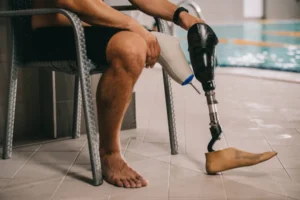
Adjusting to life with a prosthetic limb is a journey, and as someone who’s supported many individuals through this process, I want to share some practical, heartfelt tips to help you along the way. Here at Cornerstone Prosthetics and Orthotics, our mission is to guide you, not just with high-quality products but also with care, expertise, and a deep understanding of what you’re experiencing.
Whether you’re stepping into this journey for the first time or seeking ways to feel more confident, these tips will give you a clearer path to embrace your new reality.
1. Know That Everything Is Possible
It’s completely normal to feel uncertain about the future after an amputation. But let me assure you: life doesn’t stop here. With the right mindset, support, and tools, you can reclaim your independence, pursue your passions, and thrive in ways you might not have imagined.
At Cornerstone, we’ve seen individuals return to farming, tailoring, teaching, and even start businesses, all while managing their prosthetics confidently. We’re here to remind you that your prosthesis is a tool to empower you, not limit you.
Our stump shrinkers and prosthetic socks are designed to make this transition smoother by improving the fit and comfort of your prosthetic limb, so you can focus on what truly matters, which is living your life to the fullest.
2. Be Patient With Yourself
Adjusting to a prosthetic limb is not an overnight process—it’s a journey. There will be days of frustration, but every step forward, no matter how small, is progress.
Think of it like learning a new skill. The first few attempts might feel awkward, but with consistent effort and guidance, things will get better. Our physiotherapists at Cornerstone specialize in helping amputees build strength and confidence at their own pace. Using tools like elastic resistance bands and wheelchair limb support cushions, we’ll guide you through tailored exercises that improve mobility and stability.
3. Learn About Your Prosthesis
Understanding your prosthetic limb is key to using it effectively. From how it fits to how it needs to be maintained, learning these basics can help you feel more in control.
For example, the initial fitting happens only after your surgical site heals and the swelling reduces. During this time, using products like elastic bandages and stump protectors can help prepare your limb for the prosthetic. Once fitted, your prosthesis will likely need adjustments over time as your body adapts.
We’re here for every step of this journey, ensuring your prosthesis fits perfectly and meets your evolving needs. Our orthotics specialists work closely with you to make sure your device aligns with your lifestyle, whether you’re walking in your neighborhood or climbing stairs in your home.
4. Build Confidence Through Physical Activity
Physical activity is a game-changer for amputees. Simple exercises can strengthen your muscles, improve balance, and even reduce phantom limb pain.
Start small. For instance, hip bridges or side leg lifts can be done at home. Gradually, you can incorporate tools like elastic resistance bands to increase strength. If mobility is a challenge, our quad canes, hands-free crutches, or iWalk devices can support you as you regain confidence.
The key is consistency. Our physiotherapists are always available to guide you with exercises tailored to your specific needs.
5. Focus on Emotional Healing Too
Physical adjustment is just one part of the process—your emotional well-being matters too. It’s normal to feel overwhelmed, frustrated, or self-conscious at times. But remember, your worth isn’t defined by your limb.
Our psychotherapy services wil help you navigate these emotions. Talking with someone who understands can make a huge difference. We also encourage connecting with other amputees in your community who can share their stories and support.
6. Set Realistic Goals and Celebrate Small Wins
Every journey is different, and that’s okay. Set goals that are achievable for you, whether it’s walking a few steps unaided or spending the day outside without assistance.
When you achieve a goal, no matter how small it may seem, take a moment to celebrate. These victories are proof of your resilience and determination.
We often recommend keeping a progress journal. Write down your goals and track your achievements. This practice can boost your motivation and help you see just how far you’ve come.
7. Make Your Home Prosthetic-Friendly
Adjusting to life with a prosthetic limb means making some changes to your living space. For instance, adding suction shower handles and shower benches can make bathing safer and easier. Using a shoe horn simplifies putting on footwear, especially when using prosthetics.
These small changes can have a big impact on your daily life, ensuring you feel confident and independent at home.
Why Cornerstone Is Here for You
At Cornerstone Prosthetics and Orthotics, we’re more than a service provider—we’re your partner in this journey. What sets us apart is our holistic approach:
- Personalized Care: Every amputee’s journey is unique, so we tailor our products and services to your specific needs.
- Expert Team: Our physiotherapists, psychotherapists, and orthotics specialists work together to ensure you’re supported physically, emotionally, and mentally.
- Quality Products: From prosthetic socks to massage guns, we provide high-quality tools to enhance your comfort and mobility.
- Community Support: We believe in creating a community where amputees can share, learn, and grow together.
You’re Not Alone
Adjusting to life with a prosthetic limb is no small feat, but you’re not alone in this journey. With patience, the right tools, and a supportive team, you can navigate this new chapter with confidence.
If you have questions, need guidance, or want to explore our range of prosthetics and accessories, reach out to us at Cornerstone Prosthetics and Orthotics. We’re here to help you every step of the way.
Remember, your journey isn’t just about adjusting—it’s about thriving. Let’s make that happen together.