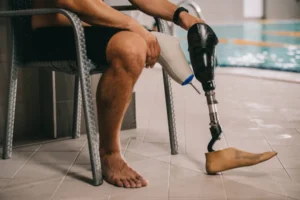
Let’s talk about phantom limb pain and sensations. If you’re an amputee, you may already know what I mean. It’s that odd sensation or pain in a part of your body that’s no longer there. I’ve worked with many individuals who’ve faced this challenge, and I want you to know you’re not alone. At Cornerstone Prosthetics and Orthotics, we understand how overwhelming this can be, and we’re here to help.
Phantom limb pain is real, and it’s something that over half of amputees experience. But with the right care and approach, we can manage it together. Today, let’s talk about how we, at Cornerstone, approach patient-centered care to help you overcome phantom limb pain and sensations.
What is Phantom Limb Pain?
Phantom limb pain occurs when you feel pain in the part of your body that has been amputated. It can feel like stabbing, burning, itching, or even twisting. You might also experience phantom sensations, feeling like your missing limb is still attached or moving.
If you’re experiencing this, know that it’s not “just in your head.” The pain is real, and it happens because your brain and nerves are still adjusting to the change.
Understanding Patient-Centered Care at Cornerstone
At Cornerstone Prosthetics and Orthotics, we believe in putting you at the center of your care. We understand that no two patients are the same, and our approach reflects that. Here’s how we tailor our care to address phantom limb pain:
- Collaborative Teamwork
We bring together a multidisciplinary team of experts, including prosthetists, physiotherapists, orthotics specialists, and psychotherapists. This holistic approach ensures that every aspect of your physical and emotional well-being is addressed.
- Customized Prosthetic Solutions
Phantom limb pain can sometimes be aggravated by poorly fitting prosthetics. That’s why we invest time in creating a prosthetic limb tailored specifically to your body. A proper fit can reduce residual limb pain and improve your overall comfort.
- Psychological Support
Phantom limb pain isn’t just physical—it can take a toll on your mental health too. Our psychotherapists work with you to manage stress, anxiety, or depression that might worsen your pain. We use techniques like cognitive-behavioral therapy (CBT) to help you build resilience.
Techniques to Address Phantom Limb Pain
Let’s explore some strategies we use to help patients manage phantom limb pain effectively:
1. Mirror Therapy
Mirror therapy is one of the most effective techniques for managing phantom pain. By placing a mirror next to your intact limb, you can trick your brain into believing the missing limb is still there. This illusion helps rewire your brain and reduce pain signals over time.
We guide you through this therapy step by step. It’s simple yet powerful, and many of our patients have found relief through consistent practice.
2. Physical Therapy and Exercise
Movement is medicine. Our physiotherapists design personalized exercise routines to improve blood flow, reduce nerve sensitivity, and promote overall well-being. These exercises also help your body adapt to the prosthetic limb more naturally.
3. Mindfulness and Relaxation Techniques
Stress and anxiety can worsen phantom limb pain. Our psychotherapists teach mindfulness and relaxation techniques, such as deep breathing and meditation, to help you manage pain and improve your mental health.
4. Advanced Pain Management Solutions
For severe cases, we work with healthcare providers to explore additional options, such as:
- Nonsteroidal anti-inflammatory drugs (NSAIDs).
- Nerve stimulation therapies.
- Medications like antidepressants or anticonvulsants for nerve pain.
How Our Products Play a Role
Our prosthetics and orthotics are designed to improve your quality of life. A well-crafted prosthetic limb can do more than restore mobility—it can also reduce phantom limb pain by helping your brain adjust to the new normal.
Our orthotic devices, such as compression sleeves, can help manage residual limb pain and improve blood circulation, further easing discomfort.
Why Choose Cornerstone?
What sets us apart? It’s simple: our dedication to you.
- Holistic Care: We treat the whole person, not just the symptoms. Our approach integrates physical, emotional, and mental health care.
- Tailored Solutions: Every prosthetic or orthotic device we create is customized to meet your unique needs.
- Expertise You Can Trust: With years of experience, our team has helped countless amputees regain control of their lives.
Practical Tips to Help You at Home
Here are some habits you can cultivate to complement the care you receive at Cornerstone:
- Keep Your Stump Healthy
Regularly clean and moisturize your residual limb to prevent infections. Avoid wearing your prosthetic for long hours if it causes discomfort.
- Engage in Daily Exercise
Gentle stretches and strengthening exercises can improve circulation and reduce nerve sensitivity.
- Practice Stress Management
Use relaxation techniques like meditation or listen to calming music. Reducing stress can significantly lower the frequency and intensity of phantom limb pain.
- Communicate Openly
Share your experiences with your care team. Pain management is a partnership, and we’re here to adjust your treatment plan as needed.
A Final Word
Living with phantom limb pain can be challenging, but it’s not something you have to face alone. At Cornerstone Prosthetics and Orthotics, we’re committed to walking this journey with you—every step of the way.
Remember, phantom limb pain is not a sign of weakness, and seeking help is a step toward healing. Let’s work together to create a care plan that’s as unique as you are.
If you’re ready to take the next step or simply want to talk, reach out to us today. Your comfort, health, and happiness are our top priorities.