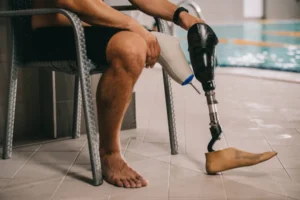
Amputation is more than a physical change. It reshapes how someone sees themselves and interacts with the world. In Nigeria, where family and community play such significant roles, understanding the emotional needs of amputees becomes even more vital. Let’s discuss this fully.
Amputation and Emotional Adjustments
When someone loses a limb, it’s natural to feel a profound sense of loss. It’s not just about the physical aspect but also the roles and routines that may need to change. You might hear someone say, “I feel like a part of me is gone,” and that’s a sentiment that’s deeply human.
Amputees often deal with:
- Depression and Anxiety: The uncertainty about the future, the fear of being judged, or the struggle to adapt can trigger these feelings.
- Body Image Issues: They might feel incomplete or worry about how others perceive them.
- Frustration and Isolation: Tasks that were once simple may become more challenging, leading to frustration.
It’s essential to acknowledge these emotions as valid. Suppressing or ignoring them can slow down the healing process, emotionally and physically.
How Cornerstone Prosthetics and Orthotics Supports Emotional Well-being
At Cornerstone, we understand that healing goes beyond fitting a prosthesis. That’s why we’ve built a multidisciplinary approach to care. Let me walk you through what we do:
- Prosthetics and Orthotics Tailored to You: Our prosthetics are designed not just for functionality but also to boost confidence. Our range of products includes:
- Stump shrinkers
- Elastic bandages
- Shoe horn
- Wound care supplies
- Prosthetic socks of different plies
- Stump protectors to maintain the stump in the extended position
- Elastic resistance bands for strengthening exercises
- Elastic bandages
- iwalk device
- Suction Shower handles
- Shower benches and chairs
- Hands free crutches
- Wheelchair limb support cushion
- Hand held massage gun
- Quad cane
- Tripod cane
- Axillary Crutches
- Elbow crutches
- Psychotherapy for Emotional Resilience: Losing a limb can feel like losing a part of your identity. Our psychotherapists create a safe space to discuss fears, frustrations, and hopes. They use techniques like cognitive behavioral therapy to help amputees rebuild self-esteem and find joy in life again.
- Physiotherapy for Rebuilding Strength: Regaining mobility and independence requires both physical and mental stamina. Our physiotherapists don’t just work on exercises; they celebrate each milestone with you, no matter how small.
- Family Counseling: In Nigeria, families are often the primary caregivers. Our counseling sessions help families understand what their loved ones are going through and how they can offer meaningful support.
What Sets Us Apart
- Personalized Care: We don’t believe in a one-size-fits-all approach. Every prosthesis is tailored to suit the individual’s lifestyle and goals.
- Community Integration: We understand the cultural nuances of living in Nigeria. From marketplaces to weddings, we design solutions that ensure our clients can participate fully in their communities.
- Comprehensive Support: Beyond providing devices, we equip our clients with coping mechanisms and life skills to thrive.
Understanding and Supporting an Amputee
If you’re supporting an amputee, here are some practical ways to help:
- Listen Without Judgment: Sometimes, all they need is for someone to listen. Avoid rushing to offer solutions; just being there can mean a lot.
- Celebrate Progress: Whether it’s taking the first step with a prosthesis or mastering a new skill, celebrate these moments.
- Encourage Therapy: Emotional scars need as much attention as physical ones. Encourage them to seek professional help if needed.
- Be Patient: The journey of adaptation is unique for everyone. Patience and understanding can make a world of difference.
- Promote Independence: Resist the urge to overhelp. Allow them to explore their capabilities and regain control of their lives.
How Our Products Make a Difference
Every prosthesis we create is a tool for empowerment. For instance:
- Mobility Prosthetics: These enable amputees to navigate bad Nigerian roads, e.g rural areas, and rugged streets, some part of Lagos or Ibadan for example
- Cosmetic Prosthetics: Designed to resemble natural limbs, these can boost confidence in social settings.
- Adaptive Devices: From tools for farming to support for market trading, we ensure our products meet the diverse needs of Nigerians.
A Shared Journey
At Cornerstone Prosthetics and Orthotics, we see every client as part of our family. We’re providing a service; and we’re as well walking alongside you, every step of the way. We’re here to help you rediscover your strength needed to adjust to life with a prosthesis or find joy in everyday moments again.
Remember, amputation may change how life looks, but it doesn’t define who you are. With the right support system, emotional resilience, and tools, a fulfilling life is entirely within reach. Let’s take this journey together.