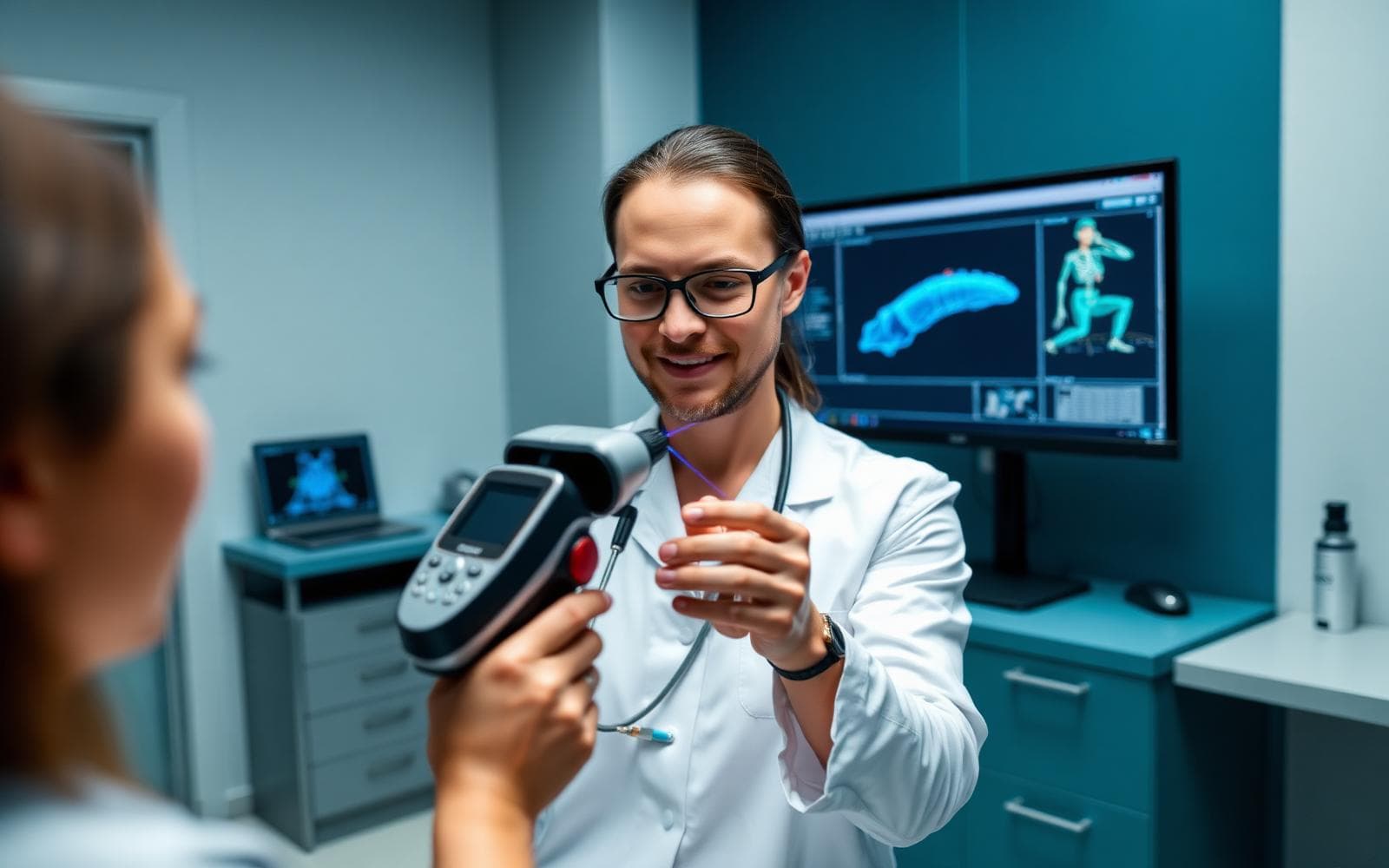
From digital assessment and 3D scanning to precision design and advanced manufacturing, we use technology to create better-fitting, more purposeful solutions.
Technology doesn't replace clinical expertise at CornerStone — it sharpens every step that leads to it.
Technology
improves information
Clinical expertise
interprets information
Engineering
turns it into a solution
Rehabilitation
turns the solution into movement
Non-contact 3D optical scanning captures anatomical surface geometry with sub-millimeter accuracy. This reduces patient discomfort associated with traditional plaster casting while generating an infinitely repeatable digital baseline.
Using clinical CAD software, our team manipulates socket geometry to relieve pressure on sensitive bony prominences while distributing load to load-bearing anatomical structures.
Digital Assessment
Digital tools support more consistent assessment, measurement, and documentation from the very first appointment.
That information feeds directly into patient-specific planning, helping your clinical team design around your body and your goals.
3D Scanning
3D scanning captures anatomical geometry with a level of detail that traditional casting alone can struggle to match.
That geometry becomes the foundation for digital workflows, carried through design and into fabrication with far less room for drift.
CAD & Digital Design
Digital modelling lets our team iterate on patient-specific geometry before any material is committed.
The result is precision and repeatability — a design process clinicians can refine and revisit as your needs change.
Advanced Manufacturing
A digital design informs material selection, guiding fabrication toward the right balance of strength, weight, and comfort.
Finishing and clinical fitting close the loop, checking that the physical result matches the intent of the design.
Smart Prosthetics & Future Innovation
We are exploring how smart prosthetics and connected devices could support more data-informed rehabilitation over time.
Our approach looks toward digital clinical workflows and emerging assistive technologies as they mature — always guided by clinical evidence, not novelty for its own sake.
Smart prosthetics with integrated sensors for gait monitoring
Connected devices that provide real-time feedback to clinicians
Data-informed rehabilitation programs tailored to individual progress
Digital clinical workflows that streamline patient care
Emerging assistive technologies that expand possibilities
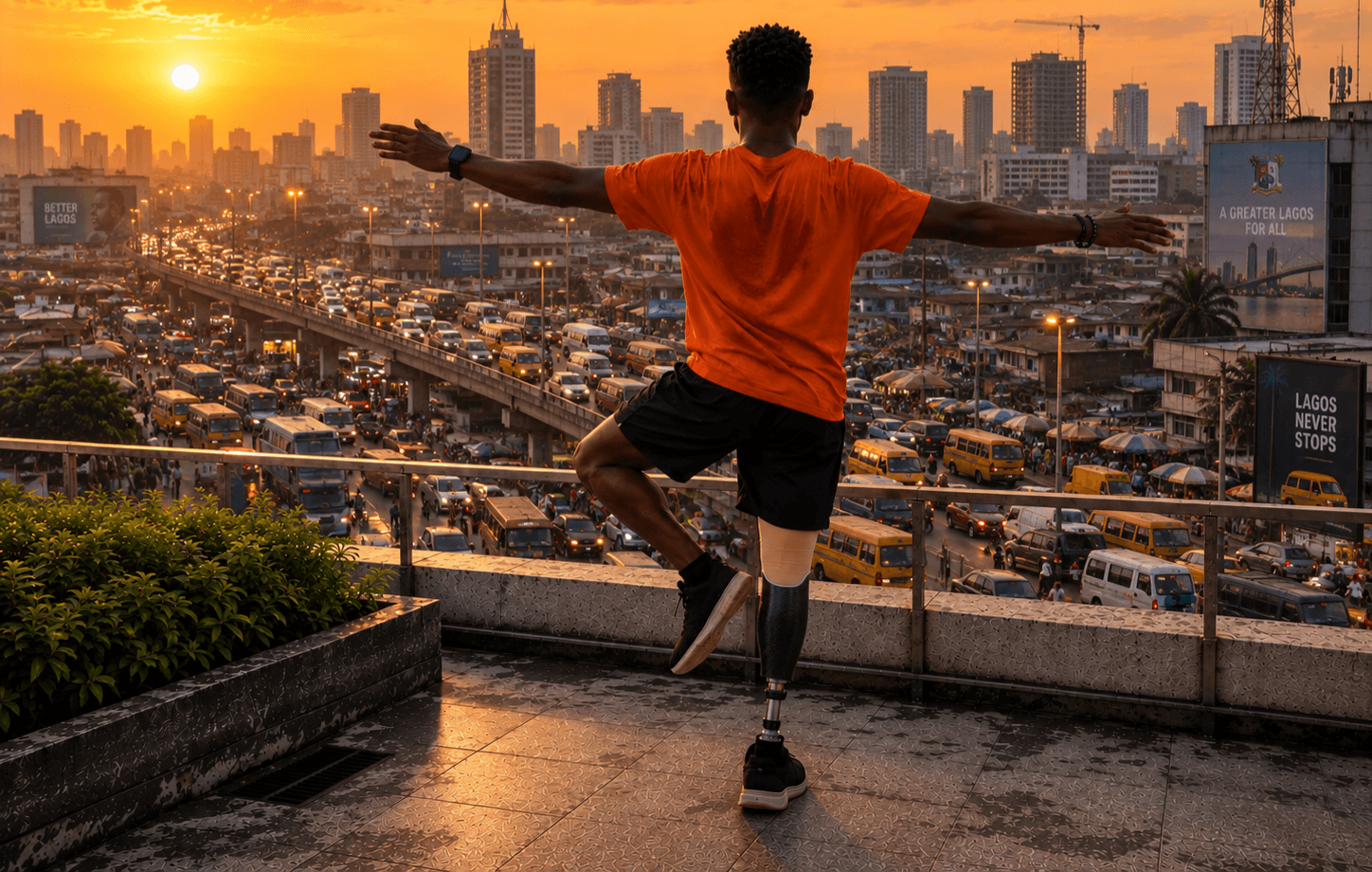
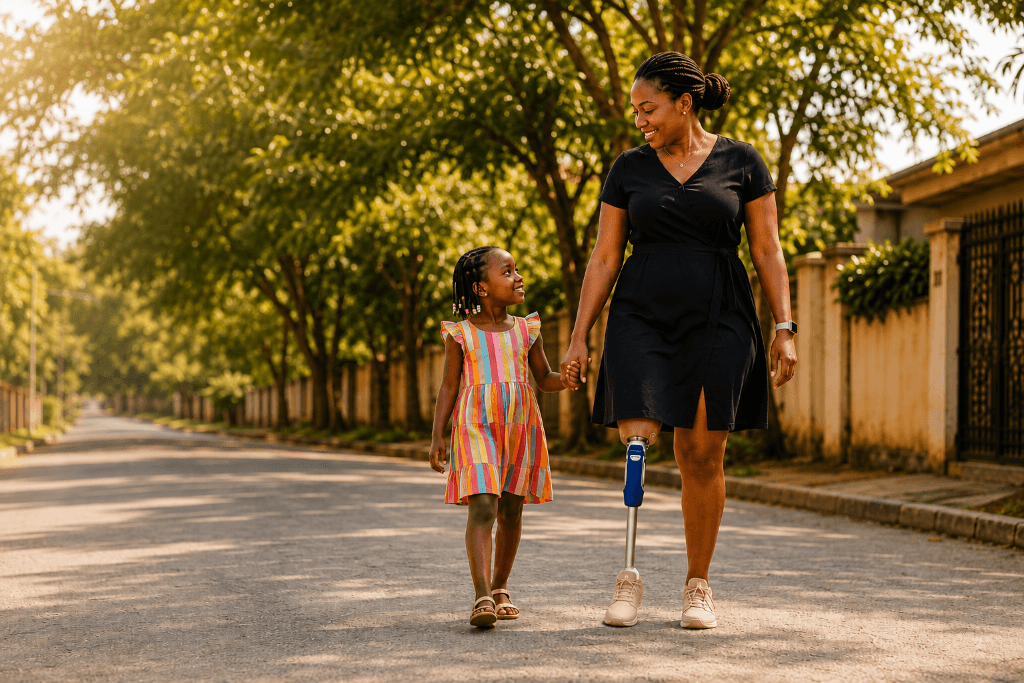
Every innovation has one purpose: helping people move with greater confidence, independence, and possibility.