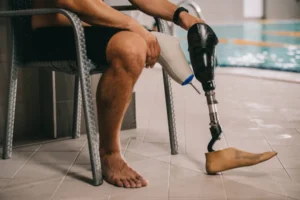
Imagine waking up one day to find that an everyday activity like walking, dressing, or holding a cup of tea suddenly feels daunting. That’s often the reality for someone adapting to life after an amputation. This isn’t just about physical recovery—it’s about rediscovering their identity and capabilities.
Your role as a caregiver is to stand by them, not as someone who pities or fixes them, but as a steady partner in their journey. This involves celebrating small victories, providing emotional reassurance, and encouraging them to see beyond their limitations.
At Cornerstone Prosthetics and Orthotics, we’ve worked with many amputees and their caregivers across Nigeria. We understand the challenges you face and how much you want to see your loved one thrive. So, let’s talk about how your role as a caregiver can transform their journey toward confidence and independence.
1. Be a Source of Positivity and Understanding
Confidence begins with acceptance, and you play a huge part in fostering that. Your loved one may feel self-conscious or unsure about their abilities after an amputation. That’s where your patience and encouragement come in.
Speak to them with kindness and affirm their value beyond their physical appearance or abilities. Avoid phrases that could feel patronizing, like, “You’re so brave” or “You’re an inspiration.” Instead, let them know that you see them as the same capable and wonderful person they’ve always been.
Our psychotherapists work closely with amputees and their families to navigate the emotional adjustments that come with limb loss. We often remind caregivers that confidence grows in an environment of unconditional support and love.
2. Encourage Independence
It’s natural to want to step in and help with everything, especially when your loved one struggles with tasks they used to do effortlessly. However, confidence comes from the ability to do things independently.
Start by encouraging small steps. For example:
- Allow them to practice dressing or cooking while being nearby for reassurance.
- Help them use assistive devices or prosthetics until they feel comfortable managing on their own.
- Let them try new activities, even if they hesitate at first.
Our physiotherapists are experts in helping amputees regain mobility and independence. Through tailored rehabilitation plans, we guide patients as they rebuild their physical strength and confidence. As a caregiver, you can support this process by celebrating their progress, no matter how small.
3. Help Them Embrace Prosthetics as a Tool for Empowerment
For many amputees, the thought of using a prosthetic can feel daunting at first. They may worry about how it looks, how it feels, or if it will truly help them. This is where your encouragement is crucial.
At Cornerstone Prosthetics and Orthotics, we create custom prosthetics designed not just for functionality but also for comfort and confidence. Our process involves listening carefully to each patient’s needs and goals. As a caregiver, you can help by:
- Attending appointments with them to understand how the prosthetic works.
- Helping them practice putting on and using their prosthetics at home.
- Reminding them that it’s okay to take their time as they adjust.
When a patient sees their caregiver invested in their progress, it reassures them that they’re not alone in this journey.
4. Be Their Cheerleader
Limb loss often comes with moments of self-doubt. Your loved one might wonder if they can ever fully adapt to their new normal. This is where your role as their cheerleader becomes invaluable.
Celebrate every achievement, no matter how small. Whether it’s the first time they walk with their prosthetic or even when they smile after a tough day, these moments matter. Your encouragement can spark the belief that they are capable of overcoming challenges.
We know and we’ve seen how transformative this kind of support can be. Our orthotic specialists often work hand-in-hand with caregivers to ensure patients have the right tools and emotional backing to succeed.
5. Be Patient with the Emotional Ups and Downs
Adjusting to limb loss is a journey, and it’s rarely a straight path. There will be good days and bad days. Your loved one might feel hopeful one moment and frustrated the next. As a caregiver, your patience and empathy can make all the difference.
At Cornerstone, our psychotherapists often help families understand that emotional healing takes time. If your loved one feels sad or angry, let them express it without trying to “fix” their feelings. Sometimes, simply listening is the best support you can offer.
6. Equip Yourself with Knowledge
The more you understand about limb loss, prosthetics, and rehabilitation, the better equipped you’ll be to support your loved one. Educate yourself about:
- The challenges of living with limb loss.
- How prosthetics are fitted and used.
- Exercises and routines that can aid recovery.
We’re always here to guide you, whether it’s through physiotherapy sessions, workshops, or one-on-one consultations, we ensure caregivers have the tools and knowledge to support their loved ones effectively.
7. Help Them Connect with Others
Sometimes, the most reassuring thing for an amputee is knowing they’re not alone. Encourage your loved one to connect with others who have experienced limb loss. In Nigeria, there are growing communities of amputees who share their stories, challenges, and triumphs.
We facilitate connections between patients through support groups and events. These interactions can inspire confidence and help amputees see that they, too, can thrive.
8. Take Care of Yourself Too
Being a caregiver is a noble but demanding role. To support your loved one fully, you must also care for your own well-being. Seek out support from friends, family, or professionals if you feel overwhelmed. Remember, you can’t pour from an empty cup.
Why Cornerstone Prosthetics and Orthotics Stands Out
At Cornerstone, we provide holistic support, not just prosthetics and orthotics. What sets us apart is our commitment to seeing each patient as a whole person. Our team of prosthetists, physiotherapists, psychotherapists, and orthotic specialists work together to empower amputees and their families.
We understand the unique challenges faced by Nigerians dealing with limb loss, from navigating societal perceptions to accessing quality care. That’s why we design our services and products to fit into your life seamlessly, offering both practicality and dignity.
As a caregiver, you are an integral part of your loved one’s journey toward confidence and independence. By offering patience, understanding, and encouragement, you’re helping them see that life after limb loss is not just about adapting, it’s about thriving.
We’re here to support you every step of the way. Whether it’s through custom prosthetic solutions, emotional counseling, or physiotherapy, our goal is to help you and your loved one build a brighter future together.
You’re not alone in this. Let’s walk this journey together.